Style & Comfort
A Layering Guide to Loungewear for Chilly Summer Offices
Summer dressing has a small, familiar contradiction: outside, the day is bright and warm; inside, the air-conditioning is set to a season of its own. The answer is not a full change of outfit, but a considered extra layer—soft, light, easy to remove, and polished enough to belong at a desk.
Published October 12, 2026
There is a particular moment in the summer workday when a bare shoulder begins to feel less like a styling choice and more like a negotiation with the thermostat. The meeting room is cool, the commute was warm, and the walk to lunch promises sunshine again. In this shifting climate, loungewear offers a useful vocabulary: relaxed shapes, tactile fabrics, and layers designed to move comfortably with the body.
That does not mean bringing bedroom dressing wholesale into the office. The most successful summer office layers borrow the ease of loungewear while retaining a little structure. A fine cardigan, a soft wrap, a neat knit, or a light scarf can add warmth without making a tailored outfit feel overworked. The aim is a wardrobe with range—one that can respond to cool indoor air and outdoor heat without demanding a complete change.
Good layering begins with attention to fabric, fit, and the rhythm of the day. A piece that feels inviting at a desk should also be simple to remove, comfortable over the clothes underneath, and manageable to carry once the afternoon warms. These are modest considerations, but together they make the difference between an emergency layer and a dependable part of a summer work wardrobe.
Why summer offices call for a different kind of warmth
Cold indoor air can make lightweight clothing feel less practical than it did when you left home. Yet a heavy sweater is rarely the right solution when the day includes a warm commute, a sunlit lunch break, and several hours in a cooled workspace. The most useful layer sits between these extremes: warm enough to take the edge off, light enough to wear indoors, and flexible enough to come off without disrupting the outfit.
Think in terms of small adjustments rather than a single all-purpose garment. A layer over the shoulders can answer a chilly meeting room; a cardigan worn open can warm the arms while allowing airflow through the center of the outfit. A scarf can offer a little coverage at the neck, then fold away neatly when it is no longer needed. When the temperature changes several times in a day, adaptability is as valuable as softness.
It is also worth observing your own working environment. Some offices are cool throughout; others have cold conference rooms and warmer desks near windows. If your routine includes long stretches of sitting, you may feel cooler than you do while walking between appointments. A thoughtful set of summer office layers takes these patterns into account, rather than relying on one bulky item that is uncomfortable everywhere else.
Start with breathable, lightweight fabrics
Fabric is the foundation of comfortable layering. The right choice should provide a little insulation while still allowing heat and moisture to move away from the body. Breathability matters particularly in summer, when a layer may be worn over a blouse, dress, or light knit and then removed outdoors. A soft hand alone is not enough: weight, construction, and the way a fabric feels in motion all contribute to comfort.
Fine-gauge knits are a reliable place to begin. Their relatively light construction can sit smoothly over a top without adding the visual bulk of a chunky sweater. Cotton knits often feel airy and easy to care for, while wool and cashmere can offer warmth without necessarily requiring a thick fabric. The experience varies with yarn, knit density, garment design, and personal preference, so a fiber name should be a starting point—not the only measure of suitability.
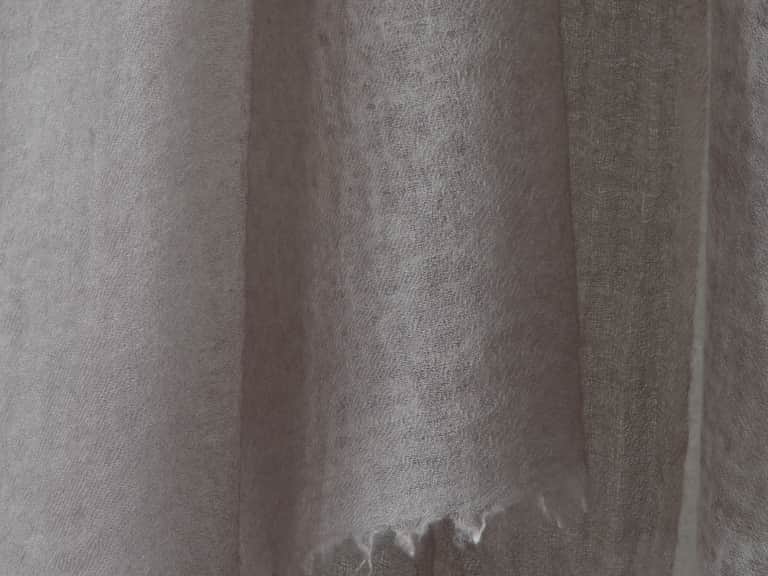
Cashmere is valued for its softness and insulating character, making it a natural consideration for compact layers and accessories. A fine cashmere scarf, for example, can be folded or draped over the shoulders and removed as conditions change. The Pal Twill Scarf is made from extra-fine cashmere and has a hand-spray-dyed, garment-dyed finish. Its light, accessory-scale format makes it a considered option for adding a touch of coverage without committing to a full sweater.
Other fibers can suit different needs. Cotton is often appreciated for its breathable, familiar feel, while wool may provide warmth in a relatively light layer. Blends can combine qualities, but their behavior depends on the exact composition and construction. Look at the garment itself: Does it feel comfortable against the skin? Does it drape, or stand away from the body? Does it feel warm before it becomes heavy? These practical questions are more useful than assuming every fabric with a luxurious name will work for every office.
Construction affects performance, too. A loose or open knit can feel less enclosing than a dense, compact one, while a fine, smooth surface is often easier to layer beneath a jacket or over a blouse. Seams, cuffs, and collars can influence how a garment sits and whether it feels restrictive. When possible, try the layer over the kind of outfit you expect to wear; a piece that feels light on its own may fit differently over a sleeve or structured shoulder.
Choose a silhouette that can shift with the day
The best layering piece is not merely warm; it is easy to wear in more than one way. A cardigan with a clean line can remain open over a dress or be buttoned for a more composed look. A wrap can rest on the shoulders during a meeting, then be folded over an arm when you step outside. A soft, unstructured shape offers the relaxed ease associated with loungewear, while careful proportions keep the overall effect intentional.
Length is worth considering. A short cardigan can work well with high-waisted trousers or a dress that already has a defined waist. A longer layer may offer more coverage and a gentle, fluid line, especially over slim trousers or a simple column silhouette. The aim is not to follow a rigid formula, but to notice where the hem falls and whether it competes with the shape of the clothes beneath.
Sleeves matter when you work at a keyboard. A cuff that can be pushed back without losing its shape is more practical than one that falls over the hands. Likewise, a layer with a little room through the arms is easier to put on over a shirt, but excessive volume can catch at the desk or bunch beneath a jacket. A relaxed fit should feel deliberate, not oversized by accident.
Necklines can make a small but noticeable difference. A V-neck cardigan works easily with collared shirts and crew-neck tops; a round neck can look neat over a camisole or simple tee. A wrap offers more flexibility, though it may require occasional adjustment. If you are often moving between meetings, choose a silhouette that stays in place and does not need constant arranging.
Color can help a practical layer feel integrated into the wardrobe. Cream, oatmeal, soft grey, navy, and camel tend to sit comfortably beside a broad range of summer clothes. A tonal combination—such as a pale knit over a light shirt—can feel quiet and polished, while a contrasting layer adds definition. If the layer is intended to live in a work bag, a versatile shade may earn more frequent use than a piece that works with only one outfit.
Build a simple three-part formula
A useful office outfit can be assembled in three parts: a breathable base, a removable warmth layer, and one considered accessory. This formula keeps dressing uncomplicated while allowing each element to serve a purpose.
- Base: Choose a top or dress that feels comfortable in warm weather. Natural movement, an easy fit, and a fabric that does not feel clammy beneath a layer all contribute to a better day.
- Middle layer: Add a light cardigan, fine knit, or wrap that can be put on and taken off quickly. It should complement the base rather than overwhelm it.
- Accessory: Keep a scarf or another compact soft layer close at hand for colder rooms or moments when a little extra coverage is welcome.
For example, a sleeveless dress can be made more office-ready with a fine cardigan and a simple scarf folded in a tote. Tailored trousers and a lightweight blouse can take on a softer mood with an open knit worn over the shoulders. A knit top and a midi skirt may need only a scarf for a cool meeting room. In each case, the layers remain easy to remove, and the outfit still looks complete without them.
The formula also helps avoid over-layering. If the base is already substantial, the extra piece can be light and compact. If the base is very airy, a cardigan with sleeves may provide more useful coverage than a scarf alone. Consider where you tend to feel cold: shoulders, arms, or feet. Solving for that specific discomfort is usually more comfortable than adding layers everywhere.
Do not overlook the details: sleeves, hems, and ease
Comfort is often decided in the small details. A layer should not pull across the shoulders when you reach for a notebook, ride on the back of a chair, or bunch at the waist when you sit. If it has buttons, check whether the front hangs neatly when left open. If it is a wrap, consider how easily it stays in place. These details may sound practical, but practicality is part of elegance when a garment is worn for hours.
Ease through the body should allow the clothes beneath to move freely. Too close a fit can make an extra layer feel restrictive, especially around the upper arms. Too much volume can create unwanted bulk beneath outerwear or make a simple outfit feel untidy. Look for a balance: enough room to layer, with a line that still feels intentional.
Also consider where the garment will go when you take it off. A light scarf can be folded into a work bag; a cardigan may be draped over a chair or carried over one arm. Soft accessories that recover their shape easily are convenient, though delicate fibers still benefit from thoughtful handling. If the layer is likely to spend the day in a bag, avoid crushing it under heavy items and check the care advice before making it a daily essential.
A word on warmth at the feet
Sometimes the chill seems to rise from the floor rather than from the air around the shoulders. In that case, adding yet another top layer may not address the source of discomfort. Comfortable footwear and appropriately warm socks can make a difference, particularly in offices with cool flooring or long hours spent sitting.
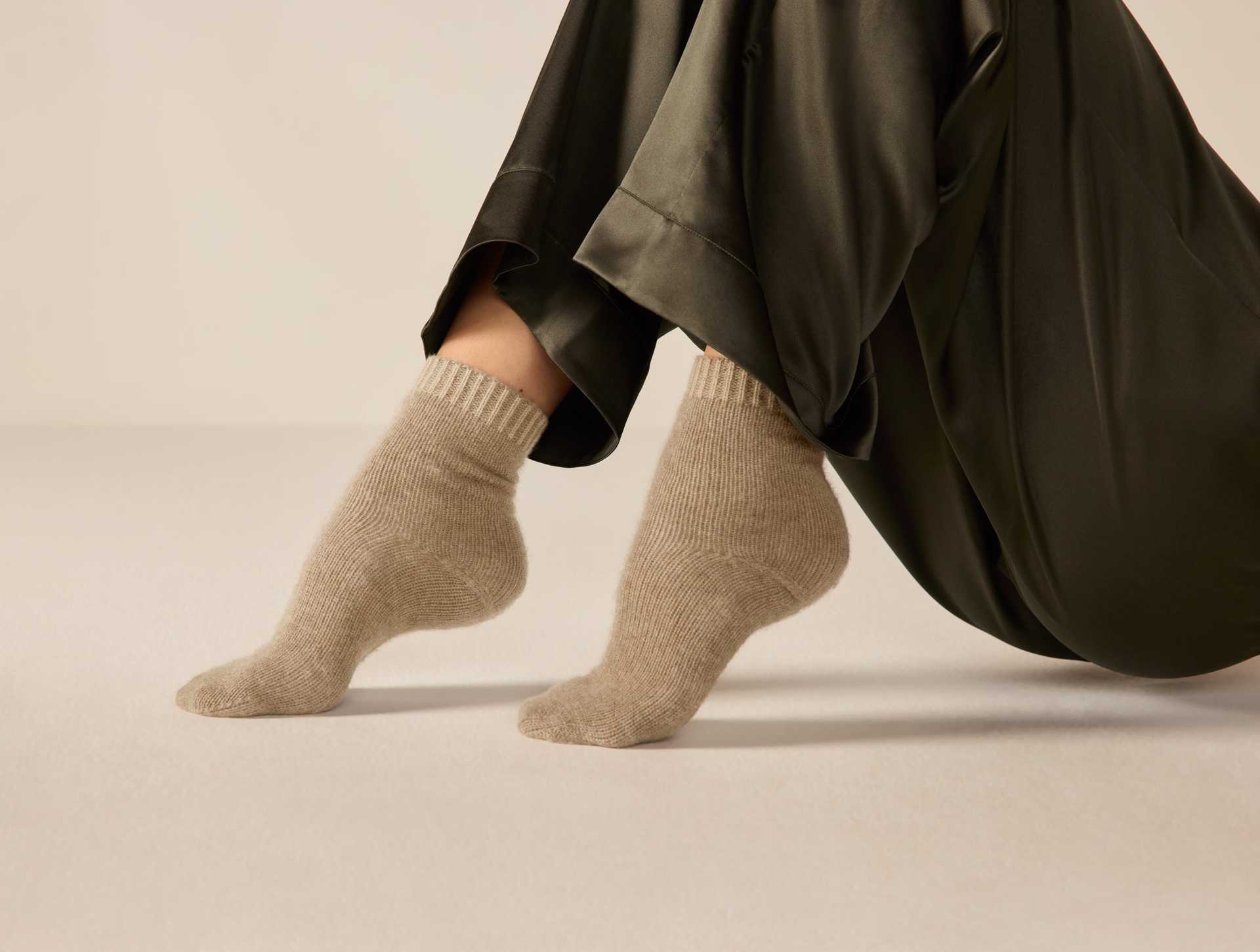
Cashmere socks offer a soft, insulating option for those who find their feet get cold indoors. The Whitney Cashmere Socks are described as 100% cashmere with a stretch rib-knit construction, designed for a flexible fit. They are recommended for dry cleaning, so it is sensible to weigh that care requirement against how frequently you plan to wear them. For some wardrobes, they may be best reserved for especially chilly days rather than everyday rotation.
Whatever the material, socks should fit comfortably inside your shoes and should not compress the foot. If the office is warm enough that you remove your shoes, consider how the socks feel on their own as well. A small adjustment at the feet can be more effective—and less cumbersome—than wearing a heavier garment throughout the day.
Keep the look polished, not overthought
Loungewear influences office dressing most successfully through comfort, not through literal imitation. A relaxed cardigan can feel polished when the rest of the outfit has clear lines. A soft scarf looks considered when its color relates to the clothes beneath it. The key is contrast: pair a tactile, easy layer with a neat shirt, tailored trousers, a clean skirt, or a simple dress.
Texture can provide interest without requiring a bold print. A smooth blouse beneath a soft knit creates a subtle difference in surface; a fine scarf can lend movement to a minimal outfit. Keep proportions in mind. If the outer layer is loose, a more streamlined base can create balance. If the base is voluminous, a neater wrap or shorter cardigan may be easier to manage.
There is no requirement to make every detail match. A tonal palette can look quietly cohesive, but a single contrasting accessory may bring the outfit to life. The more important consideration is that the layer feels like part of the ensemble rather than an afterthought retrieved in response to an office thermostat. Choosing it before you leave home makes that integration easy.
Workplace expectations vary, so let the setting guide the finish. In a more formal environment, a fine-gauge cardigan or understated wrap may feel appropriate over a structured base. In a relaxed studio or hybrid workspace, a softer, more generous silhouette may fit naturally. The same principle applies in either case: comfort and polish need not compete.
Care is part of choosing the right layer
A garment that is easy to care for is more likely to become a genuine wardrobe staple. Before buying or wearing a new layer regularly, read its care label and be realistic about what maintenance it requires. Some knits can be washed gently at home; others call for dry cleaning or specific handling. Cashmere, in particular, deserves care suited to the individual garment, and the label should take precedence over general advice.
Between wears, allow a layer to air before putting it away. Fold delicate knits rather than hanging them for long periods if hanging may stretch the shoulders, and store them clean and dry. Keep scarves away from rough surfaces that might catch fine fibers. These simple habits can help maintain the garment’s shape and feel without making care a complicated ritual.
Think about care in the context of your routine. A piece that needs careful cleaning may still be a worthwhile occasional layer, but it may not be the most practical choice for every workday. A washable cotton knit may suit frequent use; a refined cashmere accessory may be better treated as a special, well-kept addition. There is no single correct answer—only the balance that makes sense for how you dress.
Make a small office-layering kit
If your workplace is reliably cold, a compact layering kit can spare you repeated outfit improvisation. It need not be extensive. One neutral cardigan, a light scarf, and a pair of comfortable socks may cover most situations, provided each item suits your clothing and the care you are prepared to give it.
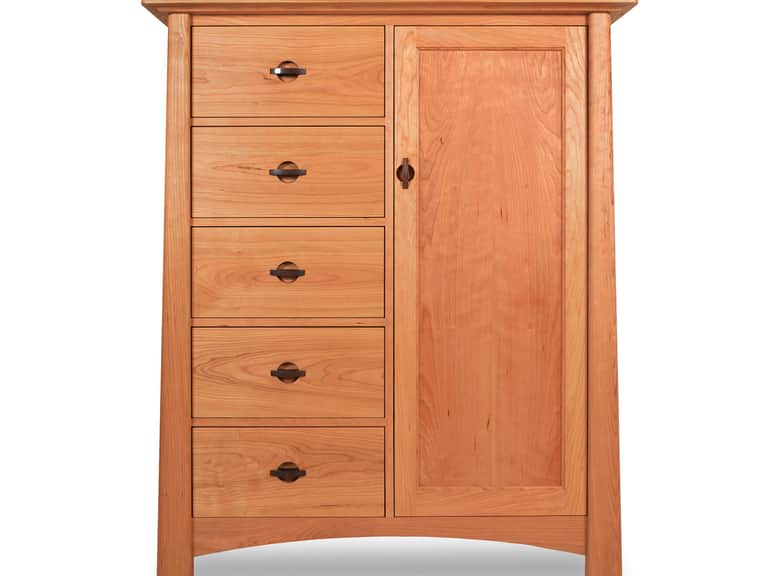
Keep the pieces somewhere they can stay clean and retain their shape: a drawer, a breathable garment bag, or a dedicated section of a work tote. If you commute with your layer, fold it rather than stuffing it into a crowded bag. A scarf can be rolled or folded loosely; a knit should not be compressed beneath a laptop or heavy water bottle. A little attention prevents the useful piece from arriving creased, stretched, or difficult to wear.
It can also help to notice the office’s temperature patterns over a week. Is the meeting room colder than your desk? Does the chill arrive in the afternoon? Do you feel comfortable when moving but cold when seated? Once you know the pattern, you can choose a more precise solution—perhaps a scarf for short spells in a cold room, or a cardigan for a full workday at a cool desk.
A practical checklist before you leave home
On a summer morning, a quick check can help ensure that your extra layer is useful rather than merely well-intentioned. Consider these questions as you get dressed:
- Will the layer feel comfortable over the outfit I am actually wearing?
- Can I put it on and take it off without changing the look of the rest of the outfit?
- Is the fabric light and breathable enough for the commute and warm weather outside?
- Does the fit allow me to sit, reach, type, and move comfortably?
- Can I carry or store it neatly when I no longer need it?
- Do I understand the garment’s care requirements?
If the answer to most of these questions is yes, the piece is likely to earn its place in your workday wardrobe. If not, consider a different weight, shape, or accessory. The most useful lightweight warmth is the kind you barely have to think about once it is on.
The case for comfort with intention
Office layering in summer is less about dressing for winter indoors than about making small, intelligent adjustments to a changeable day. A fine knit, a soft wrap, or a light scarf can add a quiet sense of ease without weighing down the outfit. Breathable fabric helps when the temperature rises; a flexible silhouette makes it simple to adapt; and thoughtful care lets a favorite piece remain part of the rotation.
Let your real routine lead. Choose a layer for the room where you work, the clothes you wear most, and the amount of maintenance you are willing to manage. Borrow the relaxed spirit of loungewear, then give it definition through proportion, texture, and a polished base. The result is not a compromise between comfort and style, but a wardrobe that understands both.
When the air-conditioning turns a summer office into its own climate, the solution can be beautifully uncomplicated: one considered layer, easy to wear, easy to remove, and ready for whatever the day brings.