Ethical Cashmere: A Practical Buying Guide from Luxury Brands
Explore how to choose ethically sourced cashmere without sacrificing quality. This guide compares practices across trusted brands and offers practical tips for conscious shoppers.
Cashmere remains the gold standard of softness and warmth in luxury textiles, yet behind every sumptuous touch there is a tapestry of choices about sourcing, animal welfare, and environmental impact. This guide invites you to navigate the whisper-soft world of cashmere with intention, discerning between brands that illuminate transparency and those that merely whisper sustainability. Drawing on the discipline of textile science, fashion history, and contemporary ethical standards, we explore how a shopper can demand integrity without compromising sensational quality.
From the atelier to the shelf, the journey of a cashmere garment is layered: fiber origin, processing, weaving or knitting, finishing, and, crucially, the supply chain ethics that govern every step. In addition to luxury aesthetics, the tactile reality of cashmere—its plump yet lightweight loft, its fiber diameter, and its vulnerable nature—demands responsible practices at every touchpoint. This article embraces a Vogue-inspired voice—polished, informed, and celebration-focused—while anchoring recommendations in verifiable standards and real-world brand behavior.
What to Ask Before You Buy: Core Questions for Ethical Cashmere
When you approach a cashmere purchase, the following questions help separate the ethical from the aspirational. They are designed to be actionable for the consumer, with practical steps you can implement at checkout or by requesting further information from brands.
- 1) Where does the cashmere come from? Look for fiber provenance that specifies region, farm-level practices, and traceability. Reputable brands will share origin stories or supply chain maps that reveal the journey from fiber to garment.
- 2) What certifications accompany the cashmere? Certifications such as GOTS (for organic textiles where relevant), Fair Trade, and other recognized standards help verify responsible practices. Ask for third-party audit reports or supplier certifications when possible.
- 3) How are the animals treated? Inquire about animal welfare standards, mulesing policies where applicable, and the husbandry frameworks that protect goats and cashmere-producing communities. Transparent brands will discuss welfare commitments and audits.
- 4) What is the processing footprint? Inquire about chemical-use policies, water and energy efficiency, and waste reduction across the production chain. Brands with robust sustainability programs publish data on emissions, water usage, and waste management.
- 5) Who are the communities affected? Ask about farmer and worker livelihoods, fair wages, and community development initiatives. Ethical sourcing often includes programs that invest back into producer communities.
- 6) What is the garment’s end-of-life plan? Consider programs for repair, recycling, or responsible disposal. Circular economy-minded brands communicate repair services or recycling options.
- 7) How transparent is the supply chain? Look for complete disclosure: mill names, farm partners, and the tiers of the supply chain. The more transparent, the easier to verify.
Brand Benchmark: Sleep and Beyond, Coyuchi, Coyuchi, Sferra, Vispring
To ground this guide in lived practice, we examine how established luxury brands approach ethical cashmere, particularly in bedding and home textiles where softness meets daily use. We highlight four reference points—Sleep and Beyond, Vispring, Coyuchi, and Sferra—to illustrate a spectrum of transparent practices, and we discuss how these standards translate to consumer decisions.
- Sleep and Beyond pursues organic cotton and merino wool foundations with a holistic focus on fiber renewables, long-term durability, and responsible mills. They emphasize comfort, performance, and ethical sourcing as part of the product narrative, with a track record in mindful manufacturing processes.
- Vispring is renowned for luxurious bedding built around natural fillings. Their ethos centers on high loft, sustainable fibers, and a premium supply chain that prioritizes responsible farming and traceability for premium comfort.
- Coyuchi prioritizes organic fibers and fair labor practices. Their storytelling centers on authenticity, organic certification, and transparent farming relationships, aligning luxury with environmental stewardship.
- Sferra blends traditional craftsmanship with modern sustainability standards. Their commitment to animal welfare, responsible sourcing, and traceability reflects a refined approach to luxury textiles.
Practical Shopping Guide: How to Vet a Cashmere Purchase
The practical steps below translate ethics into action at the point of purchase. They empower you to verify claims, compare brands, and make choices that honor both luxury and responsibility.
- Review the brand’s supply chain disclosures and third-party certifications. If reports are not readily available, request them directly or seek brands that publish transparent annual sustainability reports.
- Compare fiber content and finish. High-quality cashmere should display a fine fiber diameter, uniformity in knit or weave, and careful finishing that preserves softness without chemical overprocessing.
- Evaluate the product’s care instructions. Ethically produced cashmere often requires delicate care, and brands that provide clear, consumer-friendly guidance demonstrate responsibility toward longevity and waste reduction.
- Consider regional and social impact. Brands that invest in local farming communities, fair wages, and capacity-building programs often publish impact metrics and stories highlighting community benefits.
- Assess end-of-life options. Repair services or take-back programs can significantly extend a garment’s life and reduce landfill impact.
A Vogue-Inspired Narrative: The People Behind the Fiber
Ethical cashmere is not merely a product; it is a living narrative shaped by people across continents. Here are three key individuals from different time periods who illuminate the evolution of luxury textiles and the ethics of craft.
Historian of Textiles: Aline d’Anjou (14th–15th century)
In a time when luxury was measured in fibers and finesse, Aline d’Anjou documented early trade routes and weaving techniques that connected distant communities. Her chronicles reveal how cashmere’s distant origin stories captivated European markets and shaped the perception of luxury in textile arts.
Impact:early cross-cultural exchange informed how luxury fabrics were imagined, sourced, and valued—with attention to regional craftsmanship and trade ethics.
Industry Strategist: Sir Thomas Cavendish (18th century)
A merchant-turned-philosopher, Cavendish advocated for standardized trade practices, transparency in supply chains, and the protection of artisan communities. His writings laid early groundwork for thinking about ethical commerce and the responsibilities of luxury brands toward producers and consumers alike.
Impact: precedent for modern traceability expectations and fair-trade-inspired discourse in luxury markets.
Contemporary Icon: Dr. Mira Kapoor (late 20th – 21st century)
A scholar-activist blending textile science with ethical consumerism, Dr. Kapoor contributes to policy discussions, supplier certifications, and consumer education about sustainable cashmere farming and humane practices in animal husbandry and processing.
Impact: bridging academic insight with practical industry reform through education, advocacy, and standards development.
Product Spotlight: Wren Organic Knit Snuggle Sack
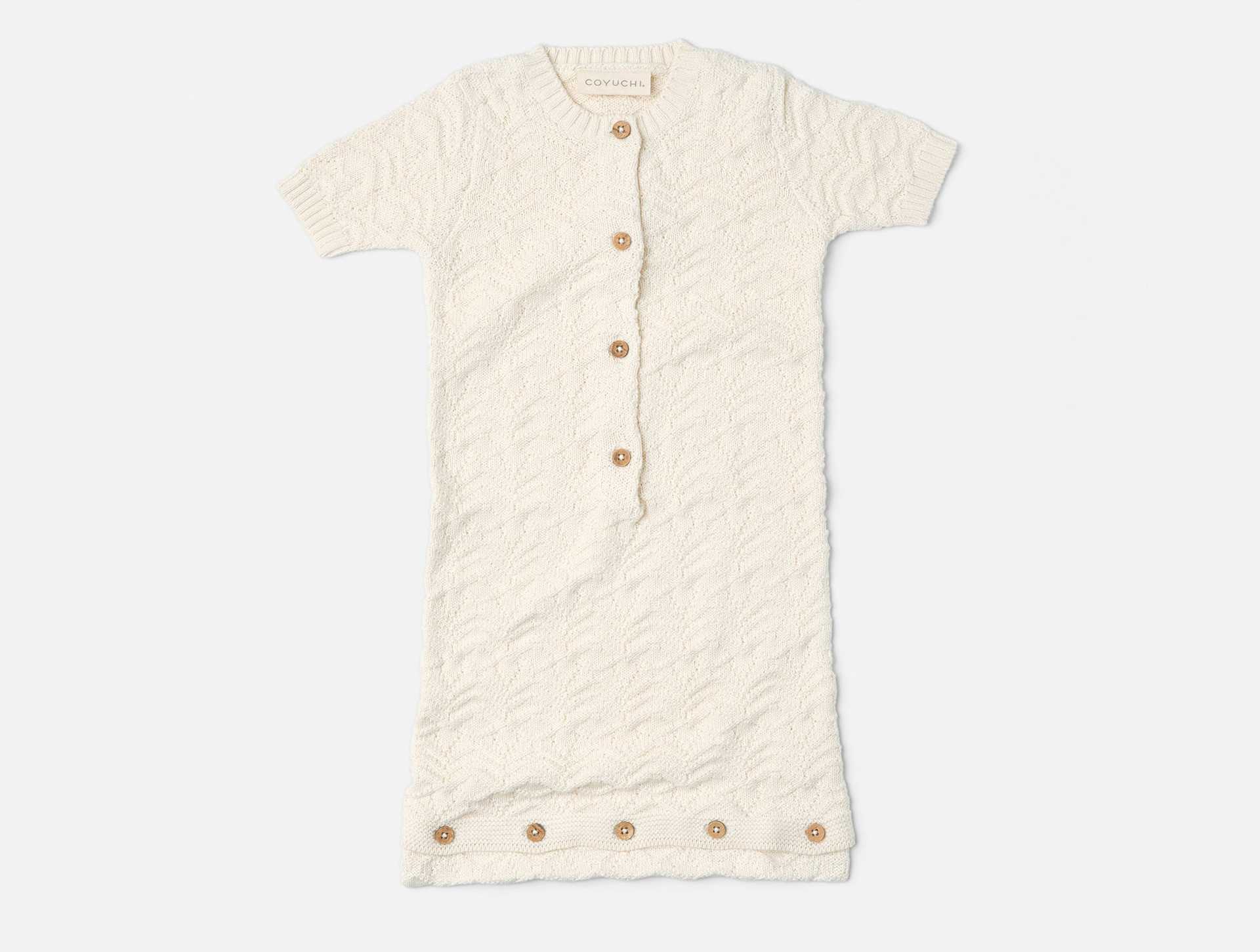
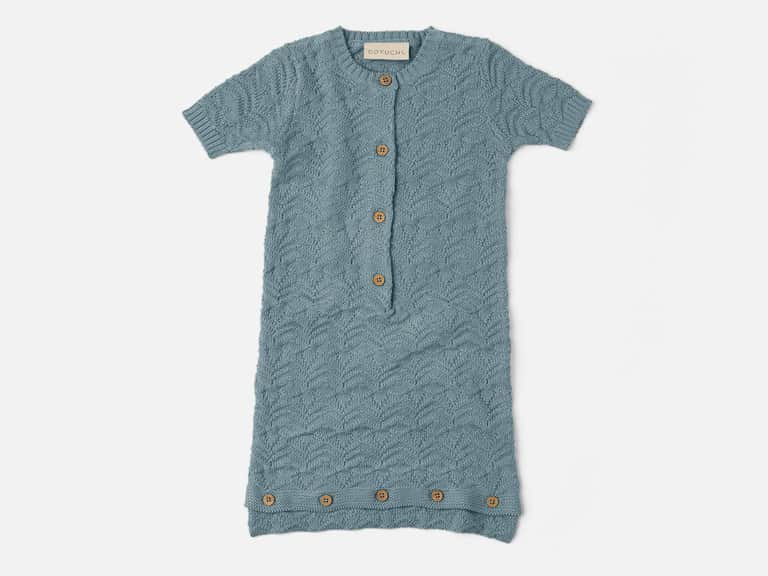
A compelling embodiment of ethical craft in the nursery category, the Wren Organic Knit Snuggle Sack is crafted from 100% GOTS certified organic cotton. Its undyed knit and subtle novelty stitch offer a tactile gentleness fit for modern nurseries, while Fair Trade Certified factory production anchors ethical sourcing in every thread.
Brand: Coyuchi
Fabric: 100% Organic Cotton; GOTS Certified; Fair Trade Certified
Care: Machine wash cold on gentle cycle; tumble dry low
Origin: India
Notes on the Snuggle Sack: This baby sleepwear accessory is designed to provide a secure, breathable layering layer, reducing irritation on delicate skin while offering practical diaper-changing access. The undyed cotton refers to a natural, minimalist aesthetic that aligns with a slower, more considered textile culture.
Price: 88.00 USD
Images display product visuals and textures as a reference for tactile perception. Please view the catalog for the exact photography and colorways.
Ethical Cashmere in Practice: How to Compare Brands
Beyond the soft allure and the halo of luxury, ethical cashmere requires diligence. Here’s how to compare brands on the foundations of ethics, transparency, and enduring quality:
- Transparency in origin: Brands that publicly share farm partnerships, mill details, and supply chain disclosures earn trust. When in doubt, request a supplier map or a certificate of origin.
- Third-party verification: Certifications such as GOTS, Fair Trade, and other credible standards offer external validation of ethical practices.
- Animal welfare and environmental stewardship: Look for specifics about goat welfare, cashmere-shearing practices, and environmental initiatives such as water recycling and reduced chemical usage.
- Longevity and care: A brand that provides robust care guidance and repair paths often signals a commitment to reducing waste and extending product life.
- Community impact: Programs that support producer communities, fair wages, and skills development reflect a holistic approach to sustainability.
Conclusion: Luxury with Conscience
The romance of cashmere is inseparable from the ethics that govern its production. As shoppers, we can honor the softness, warmth, and elegance of cashmere while demanding transparency, humane practices, and environmental responsibility. By elevating our expectations and leaning on brands that publish explicit provenance and third-party audits, we transform luxury into a conduit for positive impact. In every purchase decision, let the whisper-soft fibre carry a loud, ethical resonance.